Where Basement Water Comes From
Water enters below-grade spaces through two distinct mechanisms. Hydrostatic pressure — the weight of saturated soil against the foundation wall — pushes water through cracks, mortar joints, and the porous matrix of concrete block. Surface water, on the other hand, arrives as runoff that pools against the foundation grade before infiltrating downward.
The source matters because the two mechanisms respond differently to the same interventions. Exterior excavation addresses hydrostatic pressure directly by removing the saturated soil and installing a membrane barrier before water reaches the wall. Interior drainage systems do not stop water at the wall — they collect it after it has entered and channel it to a sump.
Exterior Waterproofing: What the Work Involves
An exterior approach requires excavating around the full perimeter of the foundation to footing depth, which in most Canadian residential construction means digging to 1.2–1.8 metres depending on frost depth. Once exposed, the foundation wall is cleaned, crack-repaired, and coated with a waterproofing membrane — typically a polymer-modified asphalt compound, a rubber-based sheet membrane, or a spray-applied elastomeric coating.
Below the membrane, a drainage board (a dimple mat that creates an air and drainage gap between the membrane and the backfill) is installed to carry water downward to the footing drain rather than allowing it to pool against the wall surface. The footing drain — either new perforated pipe or a repaired weeping tile — carries the collected water away from the building.
Interior Waterproofing: Channel and Drain Systems
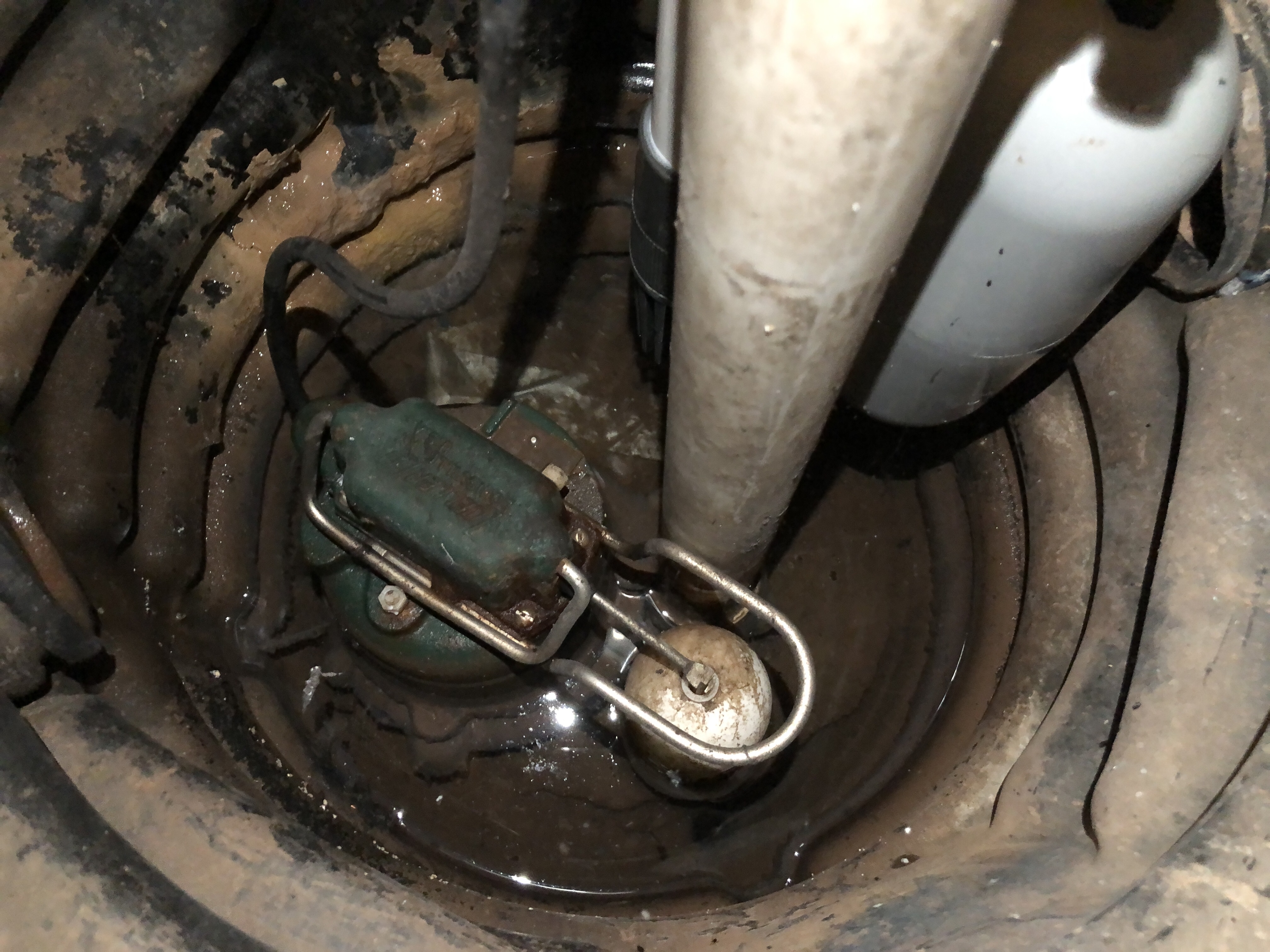
Interior systems work by managing water that has already entered the basement. A perimeter channel — typically a plastic or composite drainage profile — is installed along the base of the wall, below or at the edge of the concrete floor slab. Water seeping through the wall base drops into this channel and flows by gravity (or in flat-floor situations, via a slight pitch cut into the concrete) to a sump pit.
The work involves removing a strip of floor approximately 300–400 mm wide around the perimeter, excavating a narrow trench to footing level, laying the drainage channel on a gravel bed, and then pouring new concrete over the installation. The wall itself may receive a drainage membrane — a studded sheet attached to the block face that directs wall seepage down into the channel rather than onto the floor.
Because the floor is cut and patched rather than the yard excavated, interior systems are considerably less disruptive. They are also typically 40–60% less expensive than equivalent exterior work.
Where Each Approach Makes Sense
Exterior waterproofing is the appropriate choice when the foundation membrane has deteriorated completely, when structural cracks exist that allow active water entry in volume, or when a new construction project allows for installation before backfill. It is the only approach that addresses the root cause of water pressure against the wall.
Interior drainage is often the practical choice for finished basements where preserving the exterior landscape matters, for semi-detached or row houses where excavation access is impossible on one side, or for older properties with clay weeping tile where the footing drain itself has failed. In high water table conditions — common across much of southern Ontario and the Fraser Valley — interior drainage combined with a properly sized sump pump handles seasonal groundwater reliably, even when exterior membrane conditions are imperfect.
Materials: Membranes and Drainage Composites
Exterior membrane technology has changed considerably since the tar-based coatings used in homes built before the 1980s. Modern options include:
- Sheet-applied rubber membranes — EPDM or HDPE sheets mechanically fastened or adhered to the wall. High puncture resistance, good for rough or irregular masonry surfaces.
- Spray-applied polyurethane or elastomeric coatings — Applied in liquid form, conform to surface irregularities and provide a seamless barrier. Require clean, dry substrate.
- Polymer-modified bituminous coatings — A step above tar, more flexible at low temperatures than older oil-based compounds. Common in retrofit work.
Interior drainage products are largely standardized around polystyrene or polypropylene channel profiles with slots or perforations that accept seepage from the wall base. Some systems include an elevated floor track that creates a capillary break between the drainage channel and the living space floor.
Freeze-Thaw Considerations in Canada
Canadian climate introduces a factor rarely discussed in US-sourced waterproofing literature: the freeze-thaw cycle. Water that infiltrates a crack in a poured-concrete or block wall and then freezes will expand at approximately 9% volume, widening the crack with each cycle. Over several seasons, cracks that would otherwise be manageable become significant structural defects.
This makes the timing of exterior work important. Applying a membrane to a wall in late fall with no drainage installed before winter freeze can trap moisture in the backfill. Proper exterior work includes drainage board and functional footing drain before the ground freezes.
Cost Ranges
Costs vary considerably by region, site access, and foundation type. As of 2025–2026, typical ranges for a standard 1,000 sq ft residential foundation in Ontario are:
- Full exterior excavation and membrane: $15,000–$35,000 depending on depth and access conditions.
- Interior perimeter drainage system with sump pit: $6,000–$14,000 for the same perimeter.
These figures are for general orientation only. Get quotes from at least three licensed contractors and verify each company carries WSIB coverage and liability insurance.